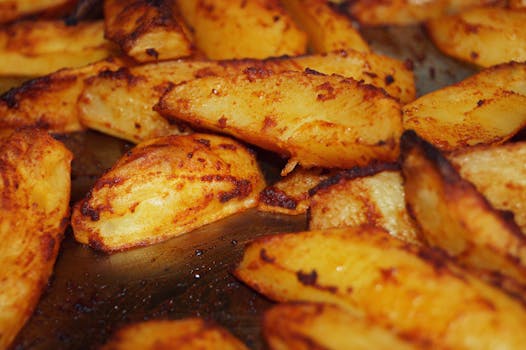
Black beans with rice. Dal with chapati. Chickpea curry, refried beans, a pot of lentil soup. For many families, beans and lentils are everyday food. They are also cheap, filling and easy to keep in the cupboard.
After a diabetes diagnosis, people often get mixed messages about them. Beans are "full of carbs", one person says. Beans are "great for diabetes", says another. Both are partly right. This article looks at what a cup holds and what the research actually found.
What a cup of beans or lentils holds
Here are cooked black beans and cooked lentils, at one cup as USDA FoodData Central measures them:
-
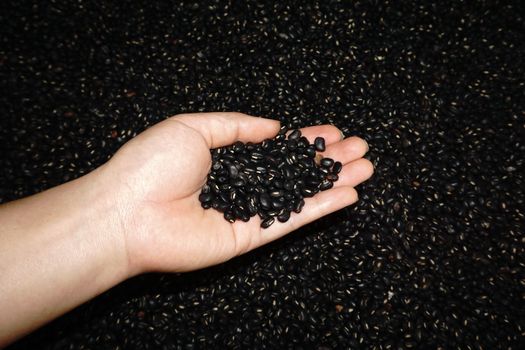 41 g carbs
15 g fiber
Beans, black, mature seeds, cooked, boiled, without salt
Per 1 cup
41 g carbs
15 g fiber
Beans, black, mature seeds, cooked, boiled, without salt
Per 1 cup
-
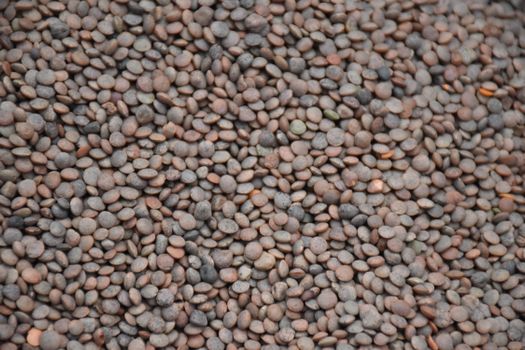 40 g carbs
16 g fiber
Lentils, mature seeds, cooked, boiled, without salt
Per 1 cup
40 g carbs
16 g fiber
Lentils, mature seeds, cooked, boiled, without salt
Per 1 cup
And cooked chickpeas, next to a cup of cooked white rice for comparison:
-
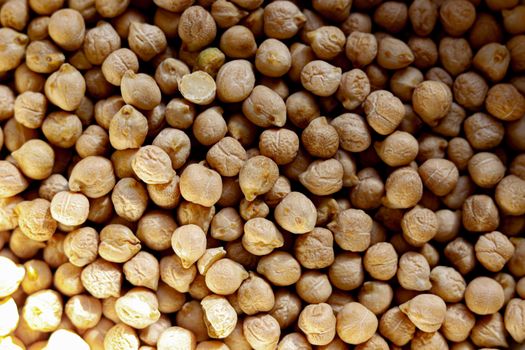 45 g carbs
12 g fiber
Chickpeas (garbanzo beans, bengal gram), mature seeds, cooked, boiled, without salt
Per 1 cup
45 g carbs
12 g fiber
Chickpeas (garbanzo beans, bengal gram), mature seeds, cooked, boiled, without salt
Per 1 cup
-
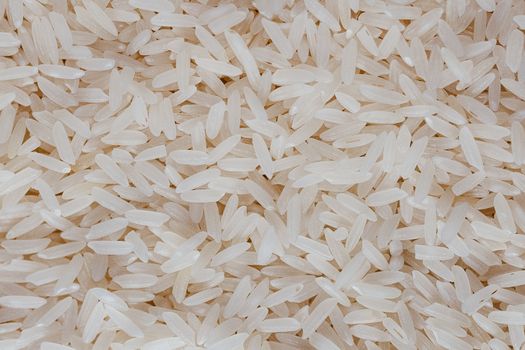 44 g carbs
0.6 g fiber
Rice, white, cooked, no added fat
Per 1 cup, cooked
44 g carbs
0.6 g fiber
Rice, white, cooked, no added fat
Per 1 cup, cooked
Comparing the cards shows the main point of this article:
- Beans and lentils do carry carbohydrate. A cup is more than one carb choice. Our article What is a carb choice? explains how to count it.
- The carbohydrate in a cup is in the same range as a cup of white rice. So beans are not a "free" food for carb counting.
- The big difference is fiber and protein. Look at the fiber line: each bean and lentil card shows many times the fiber of the rice card. The protein row on the food pages is much higher too.
That mix of carbohydrate, fiber and protein is why beans and lentils come up so often in diabetes research.
What trials in people with diabetes found
Two pieces of research are worth knowing.
- Jenkins and colleagues (2012) ran a three-month trial in 121 people with type 2 diabetes. One group was asked to eat at least one cup of beans, chickpeas or lentils a day as part of a low glycemic index diet. The other group was asked to eat more whole wheat foods. Both groups' HbA1c went down. It went down a little more in the legume group, and their blood pressure fell more too.
- Sievenpiper and colleagues (2009) pooled 41 trials of pulses (beans, peas, chickpeas and lentils) in people with and without diabetes. Pulses, alone or as part of low glycemic index or high-fiber diets, improved markers of blood glucose control. The authors also noted that results varied a lot between studies, and called for larger, better trials.
The researchers behind both studies are from the same Toronto group. Their findings point the same way, but the effects were modest, and the trials were short.
What is less certain
Whether eating more beans prevents type 2 diabetes or heart disease over many years is less clear. A 2023 review by Thorisdottir and colleagues looked at 31 long-term studies of healthy adults, most of whom ate few legumes. It found no clear link either way with type 2 diabetes or heart disease, and called the evidence "limited". The same review found that in short trials, legumes lowered cholesterol and fasting glucose a little.
So the picture is: beans and lentils seem to help some blood markers in the short term, while their long-term effect on disease is not settled.
What guidelines say
The American Diabetes Association's Standards of Care list legumes among the foods eating patterns can include, alongside nonstarchy vegetables, whole fruits, whole grains, nuts and seeds. They also suggest more "plant-based protein sources (e.g., nuts, seeds, and legumes)" to reduce cardiovascular risk.
NIDDK's plate method lists beans among the high-fiber carbohydrate foods that can fill a quarter of the plate. In other words, beans are counted with the carbohydrate on the plate, not with the protein, for blood glucose purposes.
Canned beans and mixed dishes
USDA lists canned beans separately from beans cooked at home, including versions with sodium added and low-sodium versions, so you can match the record to what you buy. Beans are also often eaten with rice, tortillas or bread, which adds more carbohydrate to the same meal. A bean burrito or a plate of rice and beans can hold more carbohydrate than the beans alone suggest.
On each food page you can set your own portion, in cups, grams or ounces, and the Today page adds up what you log. For the rice side of the plate, see Rice and diabetes; for tortillas, see Tortillas and diabetes. To read more on why fiber matters, see Fiber and diabetes.
If you take insulin or other glucose-lowering medicine
Swapping some rice or bread for beans can change the carbohydrate in a meal, and may change how fast glucose rises. If you take insulin or a medicine that can cause low blood glucose, talk with your diabetes team before making that kind of change, so your dose can be checked.
If you also have kidney disease, your team may give different advice on beans and lentils. The rows tagged "Kidney" on each food page show their potassium and phosphorus.
Your numbers are yours
How much carbohydrate fits your meals depends on your medicines, your glucose goals and your body. Your doctor, diabetes educator or dietitian sets those numbers, and their advice comes before anything you read here. If beans and lentils are part of your family's cooking, tell them. They can help you fit the dishes you know into your plan.
Sources
- Jenkins DJ, Kendall CW, Augustin LS, et al. Effect of legumes as part of a low glycemic index diet on glycemic control and cardiovascular risk factors in type 2 diabetes mellitus: a randomized controlled trial. Archives of Internal Medicine, 2012; 172(21): 1653–1660. pubmed.ncbi.nlm.nih.gov/23089999 (checked 8 October 2026)
- Sievenpiper JL, Kendall CW, Esfahani A, et al. Effect of non-oil-seed pulses on glycaemic control: a systematic review and meta-analysis of randomised controlled experimental trials in people with and without diabetes. Diabetologia, 2009; 52(8): 1479–1495. pubmed.ncbi.nlm.nih.gov/19526214 (checked 8 October 2026)
- Thorisdottir B, Arnesen EK, Bärebring L, et al. Legume consumption in adults and risk of cardiovascular disease and type 2 diabetes: a systematic review and meta-analysis. Food & Nutrition Research, 2023; 67: 9541. pubmed.ncbi.nlm.nih.gov/37288088 (checked 8 October 2026)
- American Diabetes Association Professional Practice Committee. 5. Facilitating Positive Health Behaviors and Well-being to Improve Health Outcomes: Standards of Care in Diabetes—2026. Diabetes Care, 2026; 49(Suppl 1): S89–S131 (recommendations 5.14 and 5.29). pmc.ncbi.nlm.nih.gov/articles/PMC12690188 (checked 8 October 2026)
- NIDDK. Healthy Living with Diabetes (last reviewed October 2023). niddk.nih.gov (checked 8 October 2026)
- USDA FoodData Central: Beans, black, mature seeds, cooked, boiled, without salt (SR Legacy 173735); Lentils, mature seeds, cooked, boiled, without salt (SR Legacy 172421); Chickpeas (garbanzo beans, bengal gram), mature seeds, cooked, boiled, without salt (SR Legacy 173757); Rice, white, cooked, no added fat (FNDDS 2708408). fdc.nal.usda.gov (checked 8 October 2026)
- Food figures on this page: USDA FoodData Central, via the DiabeticIndex food database.
This article is general information, not medical advice. Talk to your diabetes care team before changing how you eat or how you take your medicines.