For many families, a meal without rice is not really a meal. It comes with curry, with stir-fries, under a fried egg, as congee when someone is unwell. So after a diabetes diagnosis, one of the first worries is often: do I have to give up rice?
Rice is mostly carbohydrate, so it matters for blood glucose. But the question is usually about how much, which kind, and what else is on the plate. This article goes through what is known, and what is not.
What a cup of rice holds
Here is cooked white rice and cooked brown rice, each at one cup as USDA FoodData Central measures it:
-
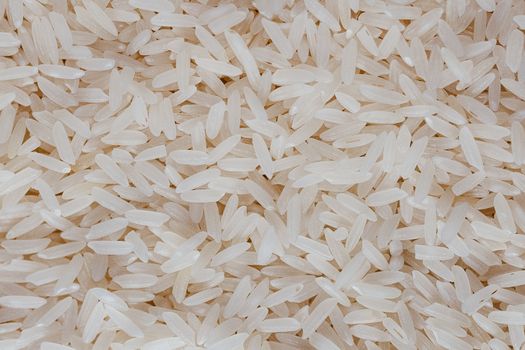 44 g carbs
0.6 g fiber
Rice, white, cooked, no added fat
Per 1 cup, cooked
44 g carbs
0.6 g fiber
Rice, white, cooked, no added fat
Per 1 cup, cooked
-
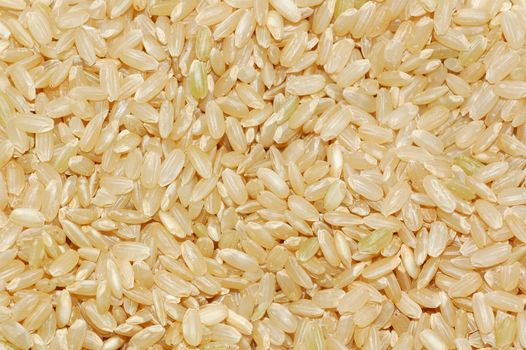 50 g carbs
2.0 g fiber
Rice, brown, cooked, no added fat
Per 1 cup, cooked
50 g carbs
2.0 g fiber
Rice, brown, cooked, no added fat
Per 1 cup, cooked
Two things stand out when you compare the cards:
- Brown rice is not lower in carbohydrate per cup. A cup of cooked brown rice is a little heavier than a cup of white, and its carbohydrate is similar or higher.
- Brown rice has more fiber. Look at the fiber line on each card. That is the main nutritional difference for carb counting.
A cup of cooked rice is also several carb choices, not one. If "carb choice" is a new term, our article What is a carb choice? explains it.
Sticky rice and congee
Two other rice dishes that are everyday food in much of Asia:
-
36 g carbs
1.7 g fiber
Rice, white, cooked, glutinous
Per 1 cup, cooked
- No photo yet 21 g carbs 0.3 g fiber Congee Per 1 cup
Congee shows less carbohydrate per cup than plain rice because much of the bowl is water. But a bowl of congee may hold more than a cup. The amount you eat is what counts. On each food page you can set your own bowl, in cups, grams or ounces.
The cards are per cup, and rice bowls and restaurant plates vary. Measuring your usual bowl once, with a measuring cup or a kitchen scale, shows how much it really holds.
What research says about rice and diabetes
Two large studies looked at whether eating a lot of white rice is linked with developing type 2 diabetes. They matter most for people who are at risk, rather than for managing diabetes you already have.
- Hu and colleagues (2012) pooled seven groups of people followed over time, more than 350,000 people in all. Higher white rice intake was linked with a higher risk of type 2 diabetes, and the link was strongest in Chinese and Japanese populations, who ate much more rice than Western groups.
- The PURE study (Bhavadharini and colleagues, 2020) followed about 132,000 people in 21 countries for nearly ten years. Eating the most white rice was linked with a higher risk overall, and most strongly in South Asia. In China there was no significant link.
These are observational studies. They show a link, not that rice itself causes diabetes. People who eat a lot of white rice may also differ in other ways, such as how active they are or what else they eat. The different results by region show the question is not fully settled.
White or brown: what guidelines say
The American Diabetes Association recommends emphasising "minimally processed, nutrient-dense, high-fiber sources of carbohydrate", and favours whole grains over refined grains. NIDDK's plate method lists brown rice among the high-fiber carb foods that can fill a quarter of the plate.
So brown rice is often suggested because of its fiber, not because it has less carbohydrate. Some people mix white and brown rice, or add beans or vegetables to the pot. Whether any change suits you depends on your tastes, your family's meals and your care team's advice.
Cooled rice: an interesting idea, not yet a rule
You may have read that cooking rice, cooling it and reheating it lowers its effect on blood glucose. When cooked starch cools, some of it changes into "resistant starch", which the body digests less.
The studies so far are small:
- Sonia and colleagues (2015) tested white rice cooled for 24 hours in the fridge and then reheated, in 15 healthy adults. It produced a lower blood glucose response than freshly cooked rice.
- Strozyk and colleagues (2022) tested the same idea in 32 people with type 1 diabetes. Cooled and reheated rice raised blood glucose less. But on their usual insulin dose, the group had more low blood glucose episodes after the cooled rice.
That second finding is important. If you take insulin or a medicine that can cause low blood glucose, a change that lowers the rise after a meal can also change how much medicine you need. Talk to your diabetes team before relying on cooled rice to manage your glucose.
Rice can still have a place
Rice does not have to disappear from your table. What usually helps is knowing your portion, filling more of the plate with vegetables and protein, and counting rice in your carbohydrate for that meal. The Today page adds up what you log, so you can see what your usual bowl adds to the day.
Your numbers are yours
How much carbohydrate fits in your meals depends on your medicines, your glucose goals and your body. Your doctor, diabetes educator or dietitian sets those numbers, and their advice comes before anything you read here. If rice is central to how you eat, tell them. A good plan works with the food you love, not against it.
Sources
- Hu EA, Pan A, Malik V, Sun Q. White rice consumption and risk of type 2 diabetes: meta-analysis and systematic review. BMJ, 2012; 344: e1454. pubmed.ncbi.nlm.nih.gov/22422870 (checked 8 October 2026)
- Bhavadharini B, Mohan V, Dehghan M, et al. White Rice Intake and Incident Diabetes: A Study of 132,373 Participants in 21 Countries. Diabetes Care, 2020; 43(11): 2643–2650. pubmed.ncbi.nlm.nih.gov/32873587 (checked 8 October 2026)
- Sonia S, Witjaksono F, Ridwan R. Effect of cooling of cooked white rice on resistant starch content and glycemic response. Asia Pacific Journal of Clinical Nutrition, 2015; 24(4): 620–625. pubmed.ncbi.nlm.nih.gov/26693746 (checked 8 October 2026)
- Strozyk S, Rogowicz-Frontczak A, Pilacinski S, et al. Influence of resistant starch resulting from the cooling of rice on postprandial glycemia in type 1 diabetes. Nutrition & Diabetes, 2022; 12(1): 21. pubmed.ncbi.nlm.nih.gov/35429987 (checked 8 October 2026)
- American Diabetes Association Professional Practice Committee. 5. Facilitating Positive Health Behaviors and Well-being to Improve Health Outcomes: Standards of Care in Diabetes—2026. Diabetes Care, 2026; 49(Suppl 1): S89–S131 (recommendations 5.14 and 5.24). pmc.ncbi.nlm.nih.gov/articles/PMC12690188 (checked 8 October 2026)
- NIDDK. Healthy Living with Diabetes (last reviewed October 2023). niddk.nih.gov (checked 8 October 2026)
- USDA FoodData Central: Rice, white, cooked, no added fat (FNDDS 2708408); Rice, brown, cooked, no added fat (FNDDS 2708414); Rice, white, cooked, glutinous (FNDDS 2708422); Congee (FNDDS 2708418). fdc.nal.usda.gov (checked 8 October 2026)
- Food figures on this page: USDA FoodData Central, via the DiabeticIndex food database.
This article is general information, not medical advice. Talk to your diabetes care team before changing how you eat or how you take your medicines.