A handful of nuts is one of the snacks people reach for after a diabetes diagnosis. They are easy to carry, they do not need cooking, and many people have heard they are a "diabetes snack".
There is some truth in that, and some fine print. This article looks at what nuts hold, how different nuts compare, and what research in people with diabetes has found.
Start with the portion
The cards below open at one cup, because that is the first measure USDA lists for these nuts. A cup of nuts is a lot. It is far more than a small handful. USDA also measures these nuts by the ounce, roughly a small handful, and you can switch any card to that on its food page.
-
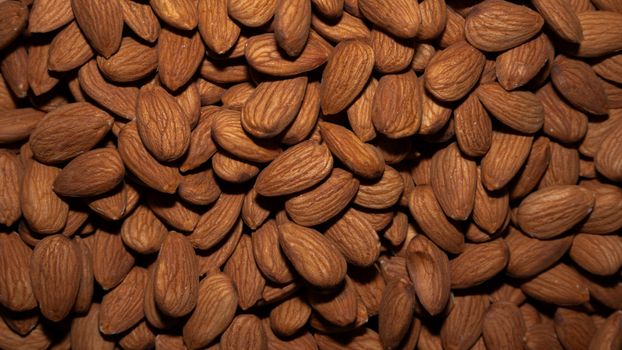 31 g carbs
18 g fiber
Nuts, almonds
Per 1 cup, whole
31 g carbs
18 g fiber
Nuts, almonds
Per 1 cup, whole
-
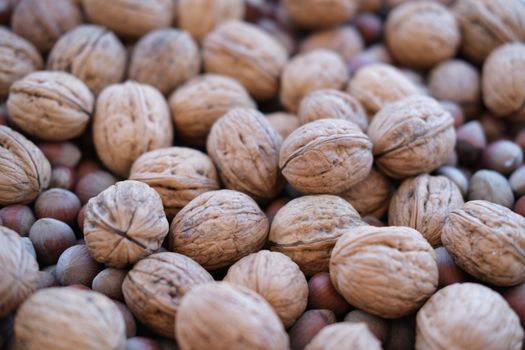 16 g carbs
7.8 g fiber
Nuts, walnuts, english
Per 1 cup, chopped
16 g carbs
7.8 g fiber
Nuts, walnuts, english
Per 1 cup, chopped
-
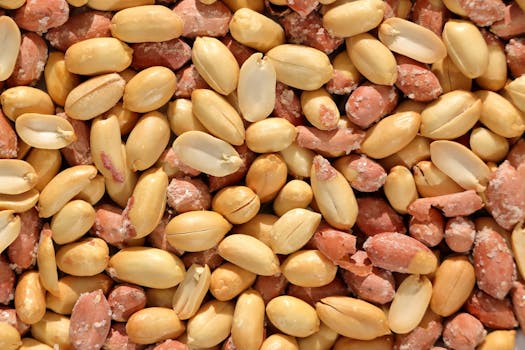 31 g carbs
12 g fiber
Peanuts, all types, dry-roasted, without salt
Per 1 cup
31 g carbs
12 g fiber
Peanuts, all types, dry-roasted, without salt
Per 1 cup
-
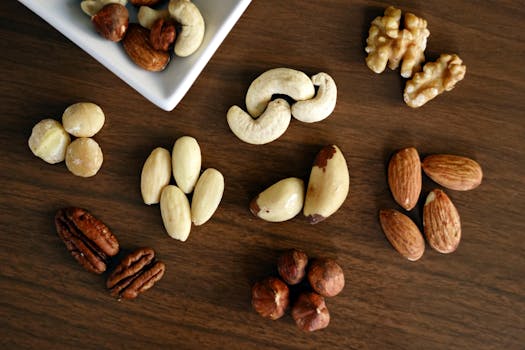 45 g carbs
4.1 g fiber
Nuts, cashew nuts, dry roasted, without salt added
Per 1 cup, halves and whole
45 g carbs
4.1 g fiber
Nuts, cashew nuts, dry roasted, without salt added
Per 1 cup, halves and whole
Compare the cards and a few things stand out:
- Nuts are not carbohydrate-free. Even at a handful, there is some carbohydrate to count.
- Nuts differ from each other. Cashews carry more carbohydrate and much less fiber than almonds, at a similar weight. Walnuts carry the least carbohydrate of the four.
- Peanuts are legumes, botanically, but in the kitchen and in most research they are counted with nuts. Their card sits in the same range as the tree nuts.
Nuts are also high in fat, so they are high in energy (calories). The kcal row on each food page shows this. That is the main reason the portion matters with nuts, more than the carbohydrate.
Plain nuts and coated nuts
Here is one ounce of plain dry-roasted walnuts next to one ounce of glazed walnuts:
-
5.0 g carbs
2.0 g fiber
Nuts, walnuts, dry roasted, with salt added
Per 1 oz
-
13 g carbs
1.0 g fiber
Nuts, walnuts, glazed
Per 1 oz
The glazed walnuts carry more carbohydrate, and most of the extra is sugar from the coating. Honey-roasted, candied, chocolate-covered and trail-mix nuts work the same way: what is on the nut can carry more carbohydrate than the nut itself. Our article on reading nutrition labels for carbs explains how to check a packet.
What research in people with diabetes found
Three pieces of research help here.
- Blood glucose. Viguiliouk and colleagues (2014) pooled 12 trials in 450 people with diabetes. Diets that included tree nuts, at a median of 56 g a day in the trials, lowered HbA1c and fasting glucose slightly compared with diets without nuts at the same calories. The effect was small, most trials were short, and the authors rated many as poor quality. Several authors reported funding from nut industry groups.
- Heart health. Liu and colleagues (2019) followed over 16,000 US nurses and health professionals with diabetes for many years. Those who ate nuts most often had a lower rate of heart disease and of death from heart disease than those who rarely ate them. This is an observational study: it shows a link, not proof that nuts caused the difference. People who eat nuts may differ in other ways too.
- Weight. Because nuts are high in energy, a common worry is weight gain. Nishi and colleagues (2021) pooled 86 trials and 6 long-term studies and did not find that eating nuts led to weight gain. Some authors of this review also reported funding from nut industry groups.
Taken together, the evidence points in a consistent direction, but the glucose effects are small and the heart findings come mostly from observational studies.
What guidelines say
The American Diabetes Association's Standards of Care include nuts and seeds among the foods in healthy eating patterns. They suggest more "plant-based protein sources (e.g., nuts, seeds, and legumes)" to reduce cardiovascular risk, and describe the Mediterranean eating pattern as "rich in fatty fish, nuts, and seeds".
Neither the guidelines nor the studies describe nuts as a treatment for diabetes. They describe nuts as one part of an overall eating pattern.
Salt and swaps
Many nuts are sold salted. USDA lists salted and unsalted versions separately, and the sodium row on each food page shows the difference.
In the trials, nuts usually replaced other foods rather than being added on top. If nuts take the place of a carbohydrate snack, the carbohydrate in your day may go down. If you take insulin or a medicine that can cause low blood glucose, talk with your diabetes team before making that kind of change, so your dose can be checked.
If you also have kidney disease, your team may give different advice on nuts. The rows tagged "Kidney" on each food page show their potassium and phosphorus.
If you want to see how a handful fits your day, the Today page adds up what you log. For counting the carbohydrate, see What is a carb choice?, and for more on fiber, Fiber and diabetes.
Your numbers are yours
How much carbohydrate and energy fit your day depends on your medicines, your glucose goals, your weight goals and your body. Your doctor, diabetes educator or dietitian sets those numbers, and their advice comes before anything you read here. If nuts are a snack you enjoy, ask them how they fit your plan.
Sources
- Viguiliouk E, Kendall CW, Blanco Mejia S, et al. Effect of tree nuts on glycemic control in diabetes: a systematic review and meta-analysis of randomized controlled dietary trials. PLoS One, 2014; 9(7): e103376. pubmed.ncbi.nlm.nih.gov/25076495 (checked 8 October 2026)
- Liu G, Guasch-Ferré M, Hu Y, et al. Nut Consumption in Relation to Cardiovascular Disease Incidence and Mortality Among Patients With Diabetes Mellitus. Circulation Research, 2019; 124(6): 920–929. pubmed.ncbi.nlm.nih.gov/30776978 (checked 8 October 2026)
- Nishi SK, Viguiliouk E, Blanco Mejia S, et al. Are fatty nuts a weighty concern? A systematic review and meta-analysis and dose-response meta-regression of prospective cohorts and randomized controlled trials. Obesity Reviews, 2021; 22(11): e13330. pubmed.ncbi.nlm.nih.gov/34494363 (checked 8 October 2026)
- American Diabetes Association Professional Practice Committee. 5. Facilitating Positive Health Behaviors and Well-being to Improve Health Outcomes: Standards of Care in Diabetes—2026. Diabetes Care, 2026; 49(Suppl 1): S89–S131 (recommendations 5.14, 5.29 and 5.30). pmc.ncbi.nlm.nih.gov/articles/PMC12690188 (checked 8 October 2026)
- USDA FoodData Central: Nuts, almonds (SR Legacy 170567); Nuts, walnuts, english (SR Legacy 170187); Peanuts, all types, dry-roasted, without salt (SR Legacy 173806); Nuts, cashew nuts, dry roasted, without salt added (SR Legacy 170571); Nuts, walnuts, dry roasted, with salt added (SR Legacy 170594); Nuts, walnuts, glazed (SR Legacy 170593). fdc.nal.usda.gov (checked 8 October 2026)
- Food figures on this page: USDA FoodData Central, via the DiabeticIndex food database.
This article is general information, not medical advice. Talk to your diabetes care team before changing how you eat or how you take your medicines.