Bread turns up at almost every meal. Toast at breakfast, a sandwich at lunch, a roll beside dinner. After a diabetes diagnosis, many people wonder whether they have to give it up, or whether switching to brown bread is enough.
Bread is mostly carbohydrate, so it counts. But the kind of bread, the size of the slice and how many slices end up on the plate all matter. This article goes through what is known, and what is still unsettled.
What a slice holds
Here is white bread and whole wheat bread, each at one regular slice as USDA FoodData Central measures it:
-
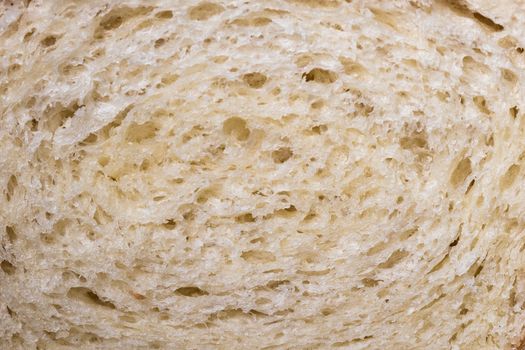 14 g carbs
0.6 g fiber
Bread, white
Per 1 medium or regular slice
14 g carbs
0.6 g fiber
Bread, white
Per 1 medium or regular slice
-
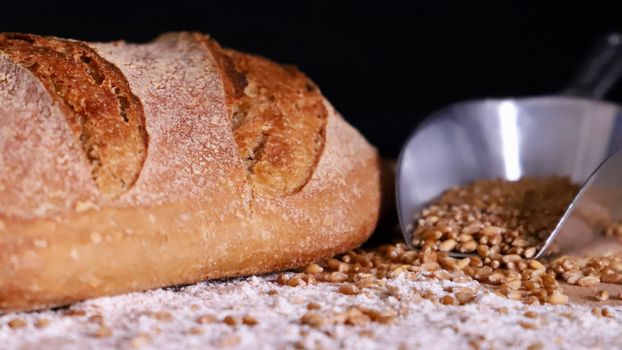 16 g carbs
2.2 g fiber
Bread, whole wheat
Per 1 medium or regular slice
16 g carbs
2.2 g fiber
Bread, whole wheat
Per 1 medium or regular slice
Two things stand out:
- Whole wheat bread is not lower in carbohydrate per slice. In USDA's records the whole wheat slice is a little heavier, and its carbohydrate is similar or a little higher.
- Whole wheat bread has more fiber. Tap each card and look at the fiber row on the food page. That is the main difference between the two for carb counting.
Slices vary a great deal. A thin sandwich slice, a thick bakery slice and a large roll are very different amounts. On each food page you can set your own amount, in slices, grams or ounces. Weighing your usual slice once on a kitchen scale can be eye-opening.
A sandwich is two slices, so it is often two or more carb choices before anything goes inside. Our article What is a carb choice? explains the term.
Pita and other breads
The same pattern shows in other breads. Here is white pita and whole wheat pita, each at one large pita:
-
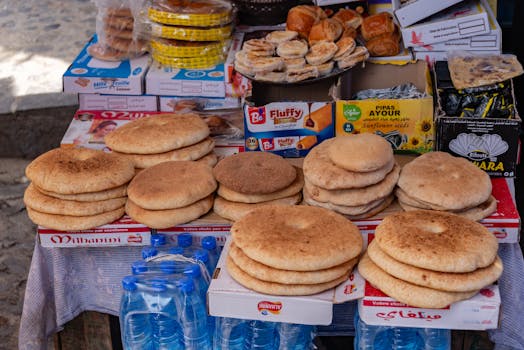 33 g carbs
1.3 g fiber
Bread, pita, white, enriched
Per 1 pita, large (6-1/2" dia)
33 g carbs
1.3 g fiber
Bread, pita, white, enriched
Per 1 pita, large (6-1/2" dia)
-
36 g carbs
3.9 g fiber
Bread, pita, whole-wheat
Per 1 pita, large (6-1/2" dia)
Again the carbohydrate is close and the fiber differs. Tortillas are covered in their own article, Tortillas and diabetes.
Why whole grain bread has more fiber
A grain kernel has three parts: the bran on the outside, the germ, and the starchy middle. White flour is made after the bran and germ are removed. As van der Kamp and colleagues explain in their 2014 paper on defining whole grain, those two parts hold most of the grain's fiber. Whole grain flour keeps all three.
What research says about fiber and whole grains in diabetes
- Reynolds and colleagues (2020) reviewed 42 trials in adults with prediabetes, type 1 or type 2 diabetes. Eating more fiber improved HbA1c, fasting glucose, cholesterol and body weight a little, compared with lower-fiber diets. The trials varied a lot, and few lasted a year or more.
- Ying and colleagues (2024) pooled 37 trials and ten cohort studies. In the trials, whole grains lowered fasting blood glucose slightly. The effect on HbA1c was small and only just short of statistical significance. Some authors work for a supplement maker's research institute.
- Schadow and colleagues (2023) looked at 22 trials of "reformulated" breads, higher in fiber, whole grains or added ingredients. They lowered fasting blood glucose a little, mainly in people with type 2 diabetes. There was no clear effect on HbA1c or on the rise after meals, and the certainty of that evidence was low.
So the direction is fairly consistent, but the effects of bread alone are modest. Bread is one part of an eating pattern, not a treatment.
Whole grain is not one thing
Whole grain breads differ in how finely the grain is milled. In a small trial in people with type 2 diabetes, Reynolds and colleagues (2020) compared four breads, all made from whole grain wheat and matched for nutrients. The breads with larger pieces of grain produced a smaller rise in blood glucose than those made from fine flour.
In an earlier trial in young healthy adults, Kristensen and colleagues (2010) found that wholemeal bread and refined white bread produced similar blood glucose responses, though the wholemeal bread was more filling.
Taken together: a whole grain bread made from finely ground flour may act much like white bread on blood glucose, even though it carries more fiber. A loaf with visible grains may act differently. The studies are small, so this is not settled.
What studies of whole grains and diabetes risk say
Hu and colleagues (2020) followed nearly 195,000 American nurses and health professionals for many years. People who ate one or more servings of dark bread a day had a lower rate of type 2 diabetes than people who rarely ate it. This is an observational study. It shows a link, not proof that the bread caused it, and it matters most for people at risk rather than for managing diabetes you already have.
What guidelines say
The American Diabetes Association recommends emphasising "minimally processed, nutrient-dense, high-fiber sources of carbohydrate". Its Standards of Care refer to the Dietary Guidelines for Americans: at least 14 g of fiber per 1,000 calories, with at least half of grains whole grains. The ADA also lists refined grains among foods to limit. NIDDK lists whole grains as part of a healthy meal plan for diabetes.
Neither guideline says bread must go. They describe the kind of grain foods to favour, and leave the amount to you and your care team.
If you take insulin or glucose-lowering medicine
Switching bread, or changing how many slices you eat, can change your glucose after meals. If you take insulin or a medicine that can cause low blood glucose, talk to your diabetes team before making a change, so your doses can be checked.
Bread can still have a place
What usually helps is knowing what your slice weighs, counting bread in your carbohydrate for that meal, and filling the rest of the plate with vegetables and protein. The Today page adds up what you log, so you can see what your usual sandwich adds to the day.
Related reading: Fiber and diabetes, Oatmeal and diabetes, Pasta and diabetes and Reading nutrition labels for carbs.
Your numbers are yours
How much carbohydrate fits in your meals depends on your medicines, your glucose goals and your body. Your doctor, diabetes educator or dietitian sets those numbers, and their advice comes before anything you read here. Your own meter or glucose monitor, checked after your usual meal, can show how your bread affects you.
Sources
- Reynolds AN, Akerman AP, Mann J. Dietary fibre and whole grains in diabetes management: Systematic review and meta-analyses. PLoS Medicine, 2020; 17(3): e1003053. pubmed.ncbi.nlm.nih.gov/32142510 (checked 8 October 2026)
- Ying T, Zheng J, Kan J, et al. Effects of whole grains on glycemic control: a systematic review and dose-response meta-analysis of prospective cohort studies and randomized controlled trials. Nutrition Journal, 2024; 23(1): 47. pubmed.ncbi.nlm.nih.gov/38664726 (checked 8 October 2026)
- Schadow AM, Revheim I, Spielau U, et al. The Effect of Regular Consumption of Reformulated Breads on Glycemic Control: A Systematic Review and Meta-Analysis of Randomized Clinical Trials. Advances in Nutrition, 2023; 14(1): 30–43. pubmed.ncbi.nlm.nih.gov/36811592 (checked 8 October 2026)
- Reynolds AN, Mann J, Elbalshy M, et al. Wholegrain Particle Size Influences Postprandial Glycemia in Type 2 Diabetes: A Randomized Crossover Study Comparing Four Wholegrain Breads. Diabetes Care, 2020; 43(2): 476–479. pubmed.ncbi.nlm.nih.gov/31744812 (checked 8 October 2026)
- Kristensen M, Jensen MG, Riboldi G, et al. Wholegrain vs. refined wheat bread and pasta. Effect on postprandial glycemia, appetite, and subsequent ad libitum energy intake in young healthy adults. Appetite, 2010; 54(1): 163–169. pubmed.ncbi.nlm.nih.gov/19837118 (checked 8 October 2026)
- Hu Y, Ding M, Sampson L, et al. Intake of whole grain foods and risk of type 2 diabetes: results from three prospective cohort studies. BMJ, 2020; 370: m2206. pubmed.ncbi.nlm.nih.gov/32641435 (checked 8 October 2026)
- van der Kamp JW, Poutanen K, Seal CJ, et al. The HEALTHGRAIN definition of 'whole grain'. Food & Nutrition Research, 2014; 58. pubmed.ncbi.nlm.nih.gov/24505218 (checked 8 October 2026)
- American Diabetes Association Professional Practice Committee. 5. Facilitating Positive Health Behaviors and Well-being to Improve Health Outcomes: Standards of Care in Diabetes—2026. Diabetes Care, 2026; 49(Suppl 1): S89–S131 (recommendations 5.14 and 5.24; section on carbohydrates). pmc.ncbi.nlm.nih.gov/articles/PMC12690188 (checked 8 October 2026)
- NIDDK. Healthy Living with Diabetes (last reviewed October 2023). niddk.nih.gov (checked 8 October 2026)
- USDA FoodData Central: Bread, white (FNDDS 2707598); Bread, whole wheat (FNDDS 2707709); Bread, pita, white, enriched (SR Legacy 174915); Bread, pita, whole-wheat (SR Legacy 174916). fdc.nal.usda.gov (checked 8 October 2026)
- Food figures on this page: USDA FoodData Central, via the DiabeticIndex food database.
This article is general information, not medical advice. Talk to your diabetes care team before changing how you eat or how you take your medicines.